The temporomandibular joint (TMJ) plays a vital role in essential functions such as speaking, chewing, and swallowing. Located symmetrically on both sides of the face, the TMJ connects the lower jaw (mandible) to the skull and enables complex jaw movements. Disorders affecting this joint can lead to pain, discomfort, and significant limitations in jaw mobility. In Antalya, diagnosis and treatment of jaw joint disorders are carried out by expert dentists using a multidisciplinary approach tailored to the individual needs of each patient.
This article will examine in detail the structure of the jaw joint, common causes of TMJ disorders, symptoms, diagnostic methods, and both conservative and interventional treatment options.

What is the Jaw Joint (TMJ)?
The temporomandibular joint is a complex anatomical structure that allows the lower jaw to move in multiple directions. It comprises bones, cartilage, a disc, muscles, and ligaments that work in coordination. This joint facilitates opening and closing the mouth, chewing, swallowing, speaking, and making facial expressions.
When the function or balance of this system is disrupted, it may lead to a group of conditions known as temporomandibular joint disorders (TMD). These conditions can significantly impair quality of life if not properly managed.
Causes of Jaw Joint Disorders
Jaw joint disorders may arise from a combination of mechanical, functional, psychological, or systemic factors. Common causes include:
- Teeth clenching or grinding (bruxism)
- Trauma to the jaw or face
- Improper bite or poorly fitting dental restorations
- Chronic stress and anxiety
- Disc displacements or degenerative joint conditions
- Chewing habit limited to one side of the mouth
- Systemic diseases such as rheumatoid arthritis or fibromyalgia
Identifying the root cause is essential for selecting an appropriate and effective treatment strategy.
Symptoms of TMJ Disorders
Jaw joint disorders may present with a wide range of symptoms, which can vary in severity and frequency. Common complaints include:
- Pain or tenderness in the jaw, especially when opening or closing the mouth
- Restricted or locked jaw movement
- Audible clicking, popping, or grinding noises from the joint
- Headaches or pain radiating to the ear, neck, or temple
- Tension and fatigue in the chewing muscles
- Asymmetry in jaw movements or difficulty in full mouth opening
- Morning stiffness or discomfort in the jaw
These symptoms often progress gradually and can be intermittent or persistent, affecting daily activities and quality of life.
Diagnostic Methods in Temporomandibular Joint Disorders
A comprehensive diagnosis involves evaluating both the functional and anatomical aspects of the TMJ and related structures.
Clinical Examination
The dentist assesses jaw movements, joint sounds, tenderness in the joint and surrounding muscles, and any functional limitations during mouth opening and closing.
Radiological Imaging
Advanced imaging techniques such as panoramic radiography, magnetic resonance imaging (MRI), and cone-beam computed tomography (CBCT) are used to evaluate the bony structures, joint disc position, and potential degenerative changes.
Functional Assessments
Additional diagnostic tools may include electromyography (EMG) or occlusal analysis to better understand the dynamic interactions of the muscles and the bite.
Treatment Options
1. Conservative (Non-Surgical) Treatments
Conservative approaches are generally preferred as the first step in managing TMJ disorders. These methods aim to alleviate symptoms, restore function, and prevent the condition from progressing.
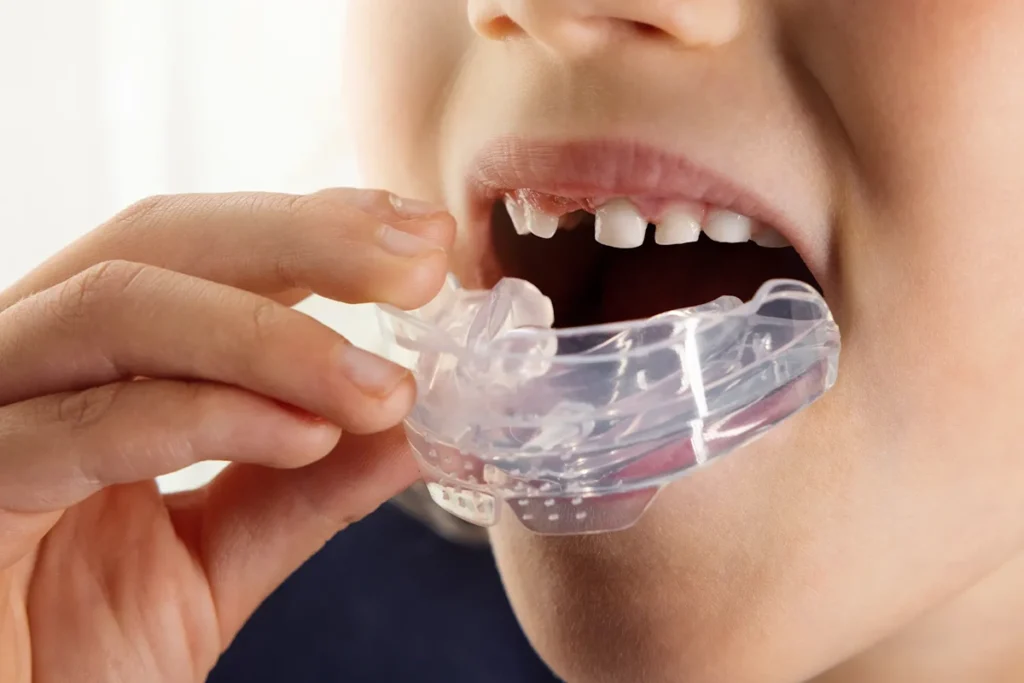
Night Splints
Custom-made occlusal splints, also known as night guards, are used primarily at night. They help reduce the load on the joint and prevent damage caused by clenching or grinding. Night splints stabilize the bite and relieve muscle tension.
Muscle Relaxation Exercises
These exercises aim to improve flexibility and reduce tension in the masticatory muscles. They can be incorporated into physical therapy programs and are tailored to the patient’s specific needs.
Drug Therapy
Analgesics, anti-inflammatory medications, and muscle relaxants are prescribed to manage acute symptoms. These are used on a short-term basis and in conjunction with other treatments.
Functional Rehabilitation
In cases involving bite irregularities, temporary restorative adjustments may be performed to rebalance occlusal forces. Functional correction can lead to symptom relief and joint stabilization.
Stress Management
Psychological stress can significantly impact TMJ disorders. Cognitive-behavioral therapy, relaxation techniques, and if necessary, psychological support may be recommended to address emotional factors contributing to the condition.
2. Advanced (Interventional) Treatments
When conservative methods are insufficient, more targeted or invasive interventions may be considered.
Intra-Articular Injections
Injection of corticosteroids or hyaluronic acid into the joint space can help reduce inflammation and provide temporary relief in selected cases.
Arthrocentesis
This is a minimally invasive procedure in which the joint is irrigated with sterile fluid to remove debris and reduce inflammation. It is particularly useful in mild to moderate cases.
Arthroscopy
Arthroscopic surgery allows for direct visualization and treatment of intra-articular pathology through small incisions. It is performed under local or general anesthesia and enables procedures such as disc repositioning or tissue debridement.
Open Joint Surgery
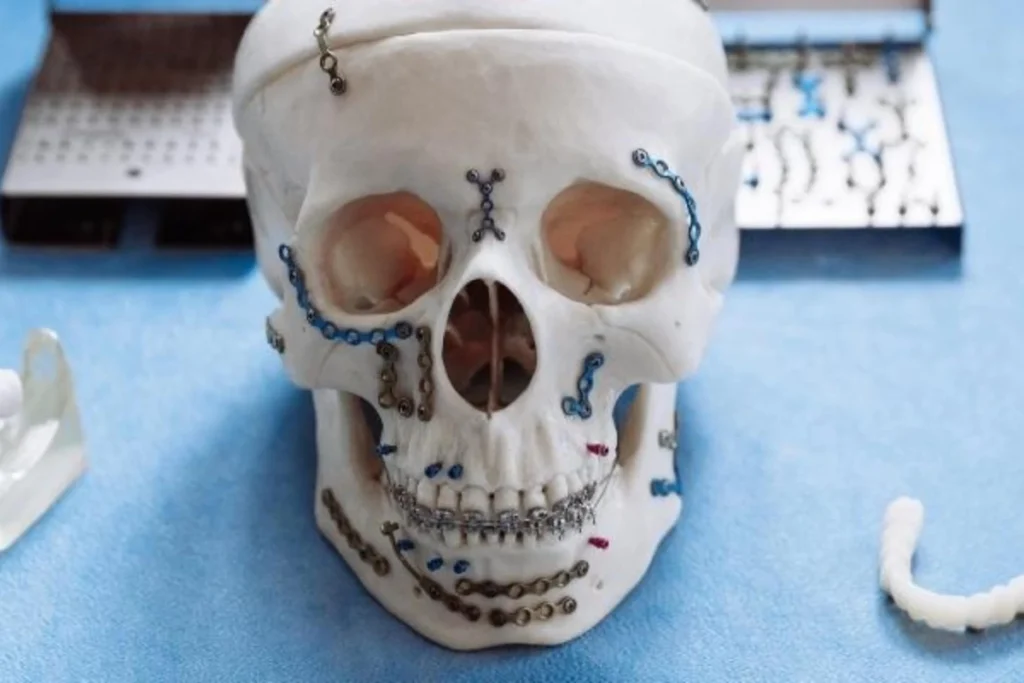
In rare and advanced cases, such as severe joint degeneration or tumor presence, open surgery may be necessary. This option is reserved for patients who do not respond to other therapies.
Things to Consider During the Treatment Process
- The night splint must be worn consistently as advised
- Avoid hard foods and chewing gum during the treatment phase
- Minimize activities that require wide mouth opening, such as yawning forcefully
- Incorporate stress management practices to reduce muscular tension
Adhering to these guidelines supports healing and improves the effectiveness of treatment.
Jaw Joint Treatment in Antalya
In Antalya, TMJ disorder diagnosis and treatment are performed through collaboration between dentists and other medical professionals, such as physiotherapists or psychologists when necessary. Dr. Muhammet Birlik takes a comprehensive approach that integrates preventive care, targeted therapies, and long-term rehabilitation strategies.
His patient-centered treatment plans are based on scientific evidence and clinical experience, aiming for lasting recovery and improved jaw function.
Importance of Early Diagnosis and Personalized Care
Temporomandibular joint disorders are often manageable through conservative measures when diagnosed early. Personalized treatment planning based on the individual’s anatomical structure, lifestyle, and underlying causes increases the likelihood of a successful outcome. Delaying treatment, on the other hand, may lead to chronic pain, limited function, and more invasive interventions.
Conclusion
Jaw joint (TMJ) disorders are complex conditions that can significantly affect an individual’s comfort, daily function, and overall quality of life. Fortunately, a wide range of effective diagnostic and treatment options are available. In Antalya, patients can benefit from expert care and advanced techniques provided by experienced practitioners such as Dr. Muhammet Birlik. Early diagnosis and a customized approach are key factors in achieving optimal outcomes.
This article is for informational purposes only. Consult your dentist for diagnosis and treatment planning tailored to your specific condition.