Orthopedic treatments in orthodontics focus on correcting skeletal discrepancies in the jaw structures, particularly during childhood and adolescence when growth potential is at its peak. These treatments aim not only to align the teeth but also to harmonize the relationship between the upper and lower jaws. When applied at the right developmental stage, orthopedic interventions can prevent the need for surgical correction in adulthood.
In Antalya, orthopedic orthodontic treatments are tailored according to the child’s developmental stage. With a focus on both functional and aesthetic outcomes, specialist orthodontists plan interventions that support natural facial growth and healthy jaw alignment.
This article explains what orthopedic treatment entails, who can benefit from it, which techniques are used, and how the process works.

What is Orthopedic Treatment?
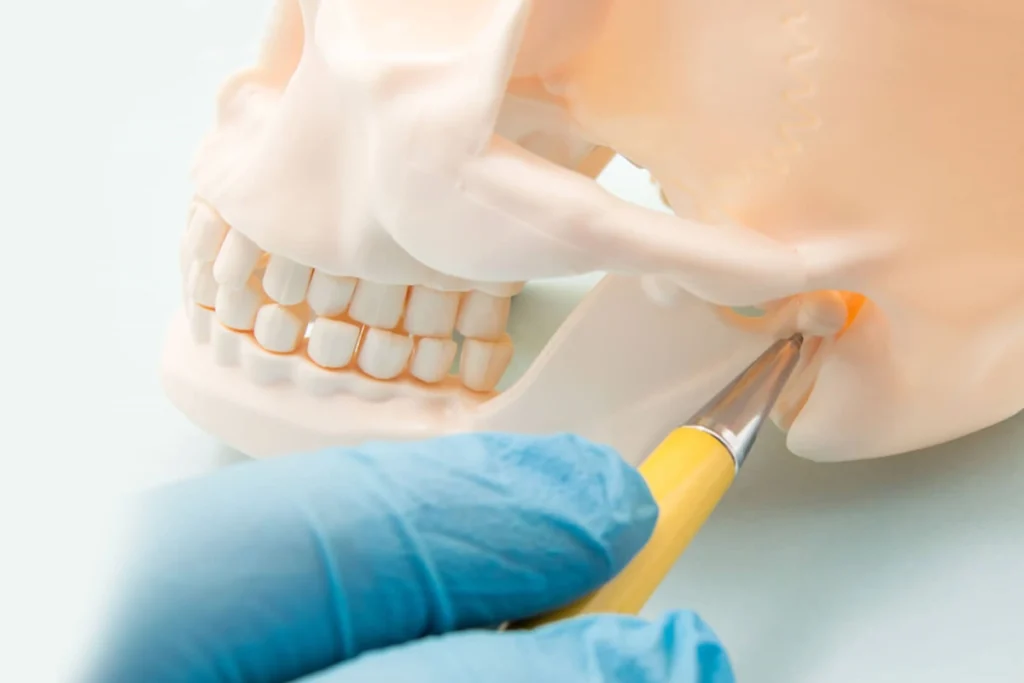
Orthopedic treatment in orthodontics refers to the regulation and guidance of jawbone growth to ensure proper alignment between the upper (maxilla) and lower (mandible) jaws. It is a growth-modifying approach that is especially effective during the developmental years, before skeletal maturity is reached.
Specialized appliances are used to stimulate or restrict the growth of specific jaw components, helping the face develop in a balanced and functional manner. These appliances are selected based on the patient’s skeletal pattern, age, and growth rate.
Conditions That Require Orthopedic Treatment
Certain skeletal imbalances and functional anomalies necessitate orthopedic intervention:
- Mandibular retrusion (skeletal Class II malocclusion)
- Mandibular protrusion (skeletal Class III malocclusion)
- Narrow upper jaw (maxillary constriction)
- Facial asymmetries
- Crossbites (anterior or posterior)
- Vertical discrepancies such as open bite or deep bite
- Developmental issues due to breathing or speech difficulties
These conditions not only affect facial aesthetics but also compromise essential functions like chewing, breathing, and phonation.
Ideal Age for Orthopedic Treatment
The success of orthopedic interventions depends heavily on timing. The optimal treatment window is generally between ages 6 and 12, during active skeletal growth. Early assessment by an orthodontist can help determine the best period to initiate treatment based on the individual’s developmental stage and the severity of the disorder.
Timely orthopedic therapy enables the orthodontist to take advantage of natural growth spurts to modify jaw relationships in a stable and lasting way.
Appliances and Techniques Used in Orthopedic Treatment
Orthopedic therapy involves a variety of functional and skeletal appliances, customized for the patient’s jaw and growth pattern.
1. Functional Jaw Advancement Devices
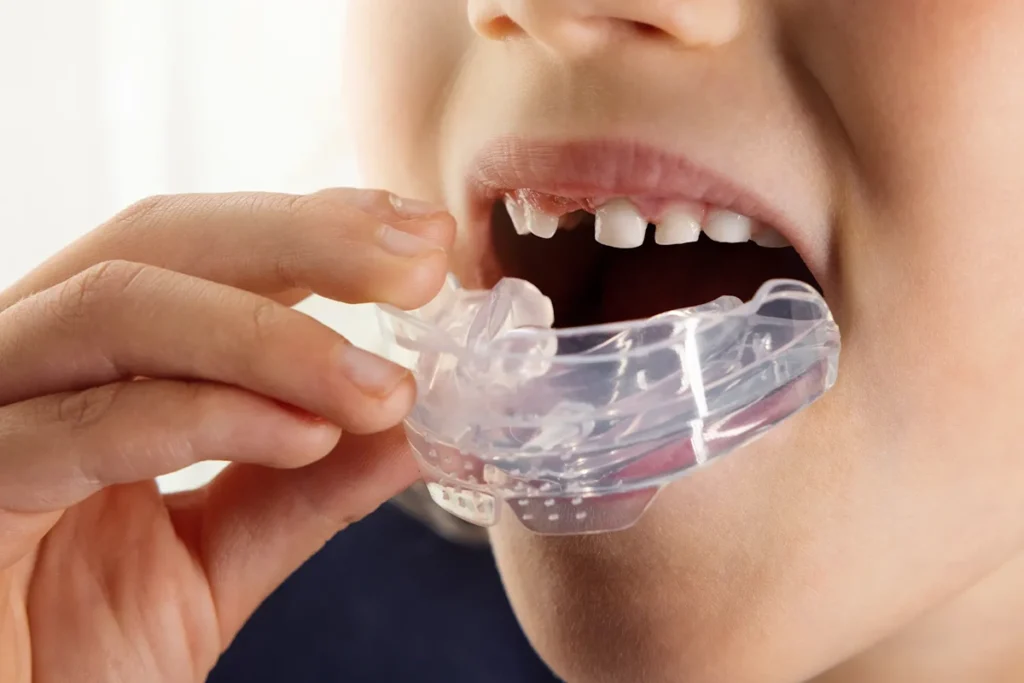
These appliances reposition the lower jaw forward or help regulate muscle function.
Twin Block
- Used in mandibular retrusion (Class II cases)
- Guides forward growth of the lower jaw
- Comprises two separate plates for upper and lower arches
Frankel Appliance
- Influences jaw growth by modifying soft tissue and muscle function
- Stimulates proper facial development
Herbst Appliance
- A fixed functional device used in permanent dentition
- Provides continuous forward positioning of the lower jaw
2. Maxillary Expansion Devices
For patients with a narrow upper jaw, expansion appliances promote transverse growth of the maxilla.
Haas and Hyrax Expanders
- Used for skeletal expansion of the upper jaw
- Fixed appliances that apply lateral pressure to separate the mid-palatal suture
Quad Helix
- Removable or fixed
- Ideal for milder transverse deficiencies
3. Face Mask (Protraction Device)
- Indicated in skeletal Class III cases with underdeveloped upper jaw
- Pulls the upper jaw forward using elastic force applied to an intraoral appliance
4. Chin Cup (Chin Mask)
- Used to control excessive forward growth of the lower jaw
- Helps harmonize vertical and horizontal jaw development
Treatment Duration and Process
Orthopedic treatment typically lasts 6 to 18 months, depending on:
- The severity and type of skeletal discrepancy
- The appliance used
- The child’s biological growth response
- Compliance with appliance usage
Treatment may be staged into two distinct phases:
Stage 1: Orthopedic Phase
Focuses on skeletal correction and guiding jaw development.
Stage 2: Orthodontic Phase
Once jaw relationships are corrected, braces or aligners are used to align the teeth within the corrected skeletal framework.
The Importance of Early Orthopedic Intervention
Starting orthopedic treatment at the right time can offer significant advantages:
- Promotes harmonious facial development
- Minimizes the risk of surgical intervention in adulthood
- Improves psychosocial well-being by addressing visible anomalies early
- Enhances oral functions such as breathing, chewing, and speech
- Prepares the dental arches for proper tooth eruption and alignment
Accordingly, it is recommended that children undergo their first orthodontic assessment around age 6 or 7, even if all permanent teeth have not erupted.
Orthopedic Treatments in Antalya
In Antalya, orthopedic orthodontic services are provided by specialists like Dr. Muhammet Birlik, who designs treatment plans that align with each child’s developmental pace. Functional and skeletal approaches are implemented in harmony with the child’s anatomy and age to ensure the most natural and lasting results.
The use of modern diagnostic methods and growth assessment tools enables practitioners in Antalya to identify the right time and technique for each case. Comprehensive follow-up ensures that both aesthetic and functional goals are achieved.
Conclusion
Orthopedic treatment is a vital component of early orthodontic intervention aimed at correcting skeletal discrepancies during the growth period. When applied under professional supervision and at the appropriate age, it allows children to develop balanced facial proportions and functional oral structures.
In Antalya, orthopedic orthodontics is carried out with a focus on early diagnosis, customized appliance selection, and multidisciplinary planning. Parents are encouraged to seek professional evaluation for their children to take full advantage of these growth-based opportunities.
This article is for informational purposes only. For diagnosis and treatment, consult your dentist or orthodontist.