Dental aesthetics play a central role in an individual’s self-confidence, social interactions, and overall quality of life. With the advancement of technology, dentistry has moved beyond conventional methods to offer precise, personalized, and visually guided treatment options. Among these, digital smile design (DSD) stands out as an innovative and patient-centered approach.
In Antalya, digital smile design has become a preferred solution for those seeking aesthetic and functional improvements to their smile. This comprehensive article explains what DSD is, its core principles, how it is performed, its advantages, and its implementation in Antalya.

What Is Digital Smile Design?
Digital smile design is a dental planning method that uses digital tools to analyze facial and dental parameters and simulate treatment outcomes before any clinical procedure begins. This includes assessing:
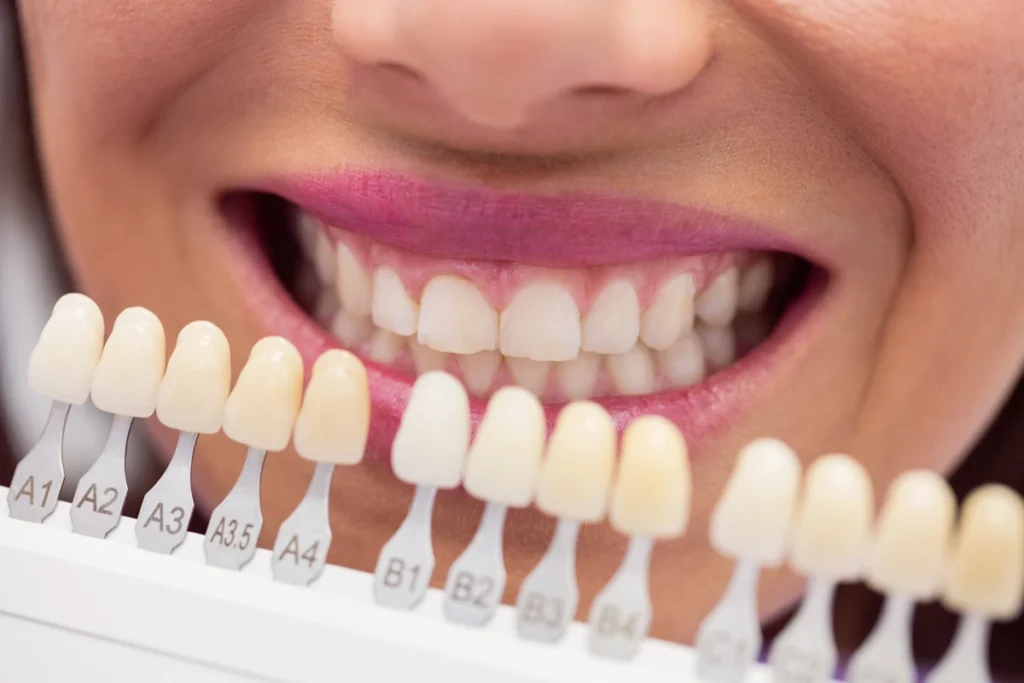
- Tooth position, shape, and color
- Gum line aesthetics
- Facial symmetry and expressions
- Bite relationships and functional movement
By creating three-dimensional digital models, patients can preview their expected smile and work collaboratively with their dentist to adjust the plan. This ensures that the final result is not only aesthetically pleasing but also functionally sound and long-lasting.
Objectives of Digital Smile Design
- Designing natural smiles that harmonize with facial features
- Optimizing the size, shape, color, and alignment of teeth
- Planning restorative treatments for damaged or missing teeth
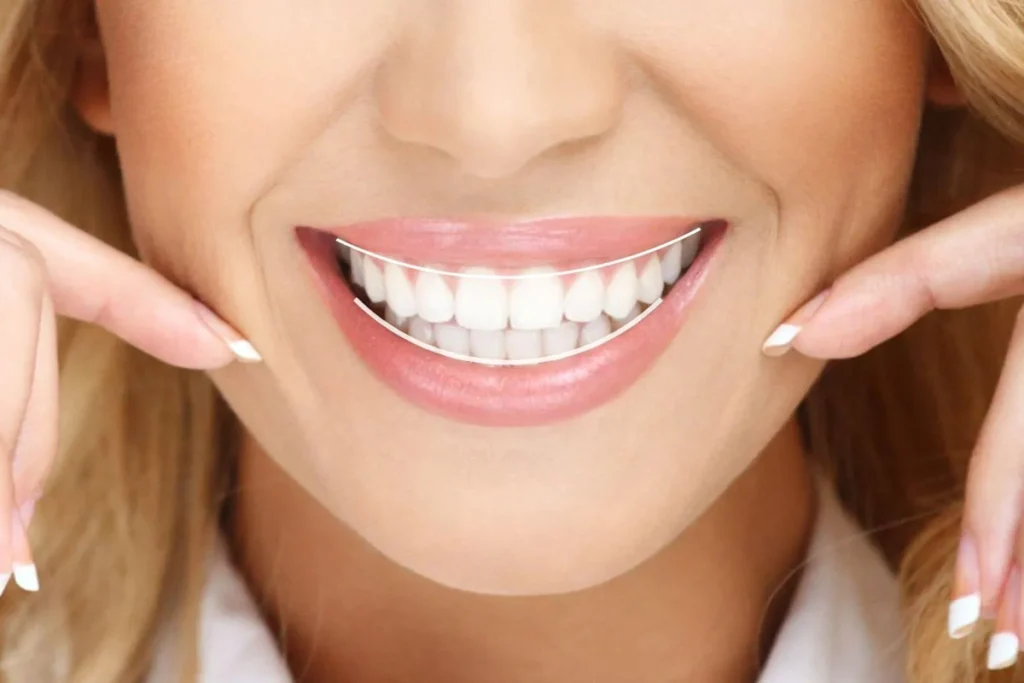
- Enhancing gum aesthetics for a balanced smile line
- Increasing patient satisfaction by previewing results
- Ensuring transparency in treatment planning
Key Stages of Digital Smile Design
1. Initial Evaluation and Digital Data Collection
The process begins with a comprehensive clinical assessment. Advanced tools such as intraoral scanners, 3D imaging, and high-resolution photography are used to document:
- Oral anatomy
- Facial expressions in motion
- Smile dynamics and symmetry
This data is then used to construct a precise 3D model of the patient’s dental and facial structure in a virtual environment.
2. Digital Smile Simulation and Design
Using specialized software, the dental team simulates the optimal tooth positions, dimensions, and colors. At this point:
- Different smile designs are tested
- Patient preferences and expectations are incorporated
- Functional factors like bite alignment are analyzed
This collaborative design process empowers the patient and ensures both visual satisfaction and clinical feasibility.
3. Mock-Up and Smile Testing
Once the digital design is finalized, mock-ups or trial versions of the smile are created and temporarily placed in the patient’s mouth. This trial phase allows:
- A preview of how the final result will look and feel
- Real-time feedback from the patient
- Adjustments to improve comfort and appearance
Mock-ups are especially helpful in cases where multiple aesthetic elements are being corrected.
4. Implementation of the Treatment Plan
Based on the approved design, a personalized treatment plan is executed. This may include:
- Teeth whitening
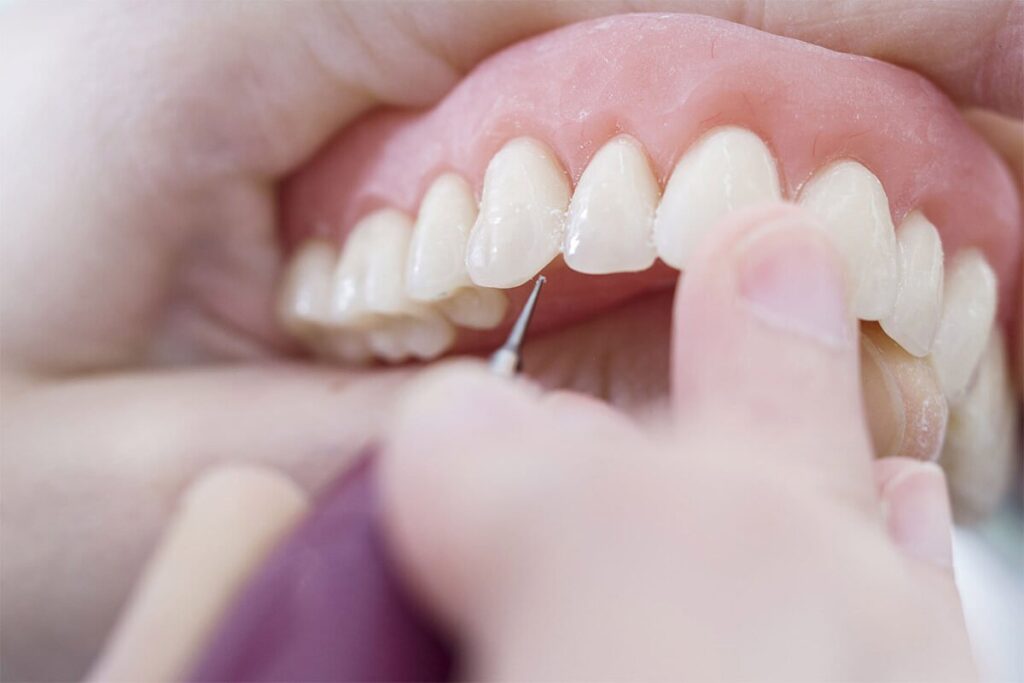
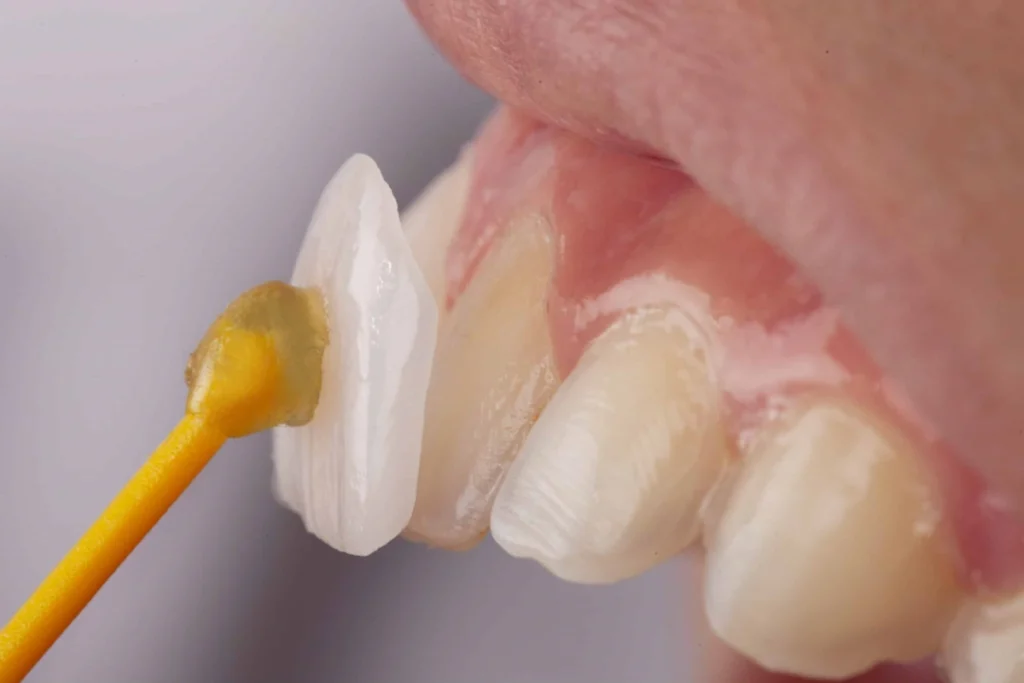
- Porcelain veneers or zirconia crowns
- Composite bonding
- Orthodontic adjustments
- Gum contouring or reshaping
Thanks to the digital design process, each intervention is targeted, minimally invasive, and highly accurate, ensuring a smooth progression from planning to final results.
Advantages of Digital Smile Design
- Predictability: Patients can see their future smile before treatment starts
- Customization: Facial structure, smile dynamics, and preferences are integrated
- Accuracy: Digital tools minimize error margins
- Time Efficiency: Optimized planning avoids unnecessary procedures
- Higher Satisfaction: The final result aligns closely with expectations
- Multidisciplinary Collaboration: Allows integrated planning across dental specialties
- Permanent Record Keeping: Treatment progress is archived digitally
Digital Smile Design Practices in Antalya
Antalya has emerged as a regional hub for advanced cosmetic dentistry. Dental clinics in the city use cutting-edge digital technology and experienced practitioners to provide DSD services to both local and international patients.
Dr. Muhammet Birlik, one of the leading providers in Antalya, combines digital technology with a health-focused, aesthetic-driven philosophy. His approach emphasizes:
- Personalized treatment planning
- Functional integrity
- Natural-looking results
- Transparency and patient communication
State-of-the-art digital tools used in Antalya allow patients to actively participate in their smile transformation and experience efficient, comfortable procedures.
Who Is a Good Candidate for Digital Smile Design?
Digital smile design is suitable for individuals who:
- Have discolored, misshapen, or worn-down teeth
- Wish to enhance the appearance of their smile
- Need to update old restorations or prosthetics
- Suffer from functional issues due to missing teeth
- Have orthodontic concerns with aesthetic impact
- Desire a gum contour correction
- Want to visualize the outcome before committing to treatment
DSD is particularly ideal for those seeking aesthetic and restorative dental care in one comprehensive plan.
Health Implications of Smile Design
While aesthetics are a major focus, DSD also addresses oral function and long-term health. Correcting tooth alignment and jaw positioning:
- Improves chewing efficiency
- Reduces strain on the jaw joints and muscles
- Facilitates oral hygiene
- Decreases the risk of gum disease and tooth decay
Thus, digital smile design is more than just a cosmetic enhancement—it supports a healthier, more functional oral system.
This content is for informational purposes only. For personalized diagnosis and treatment, consult a licensed dentist or orthodontist.