Functional orthodontic treatment focuses on correcting the underlying muscle functions and growth patterns that contribute to jaw and dental irregularities, rather than simply aligning the teeth. This holistic approach evaluates jaw development, tongue posture, swallowing behavior, and breathing habits to guide proper facial and skeletal growth.
In Antalya, functional orthodontic treatments are used especially in children during developmental years to promote natural jaw alignment and prevent future complications. This article outlines what functional orthodontics involves, when it’s recommended, what systems are used, and what benefits it provides in the long term.
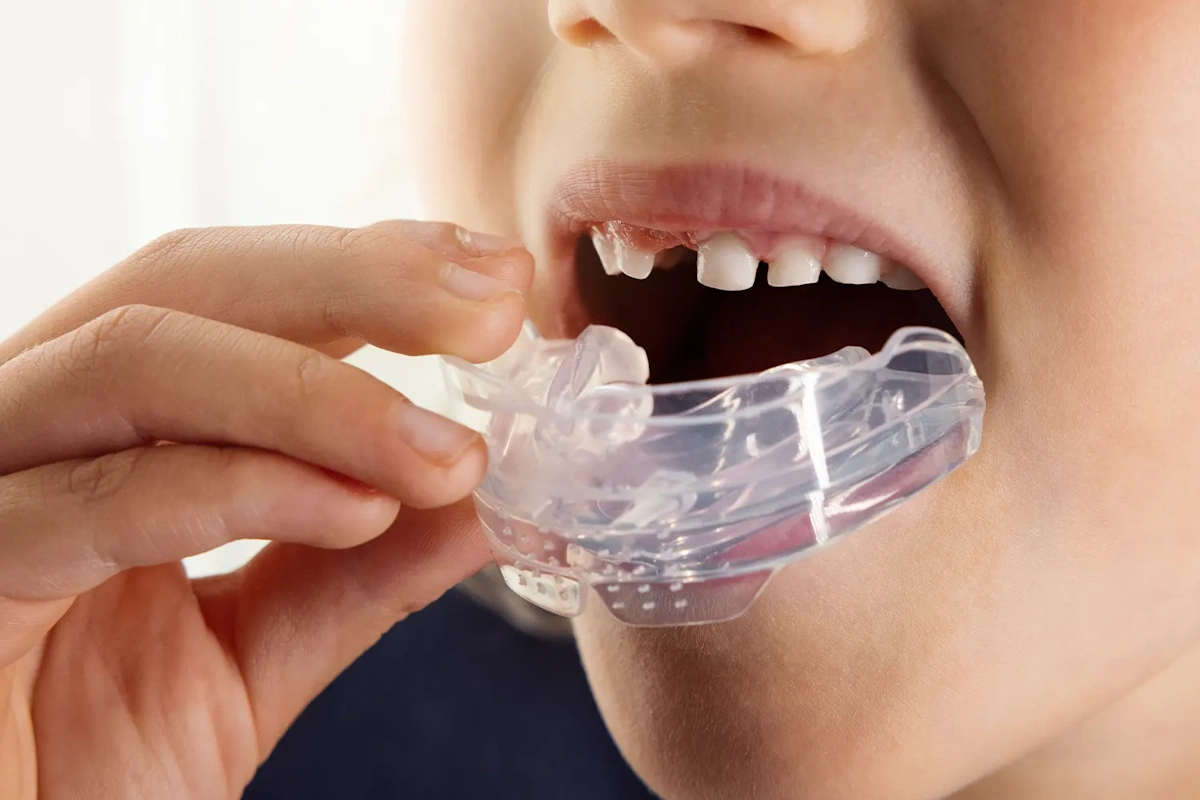
What Is Functional Orthodontic Treatment?
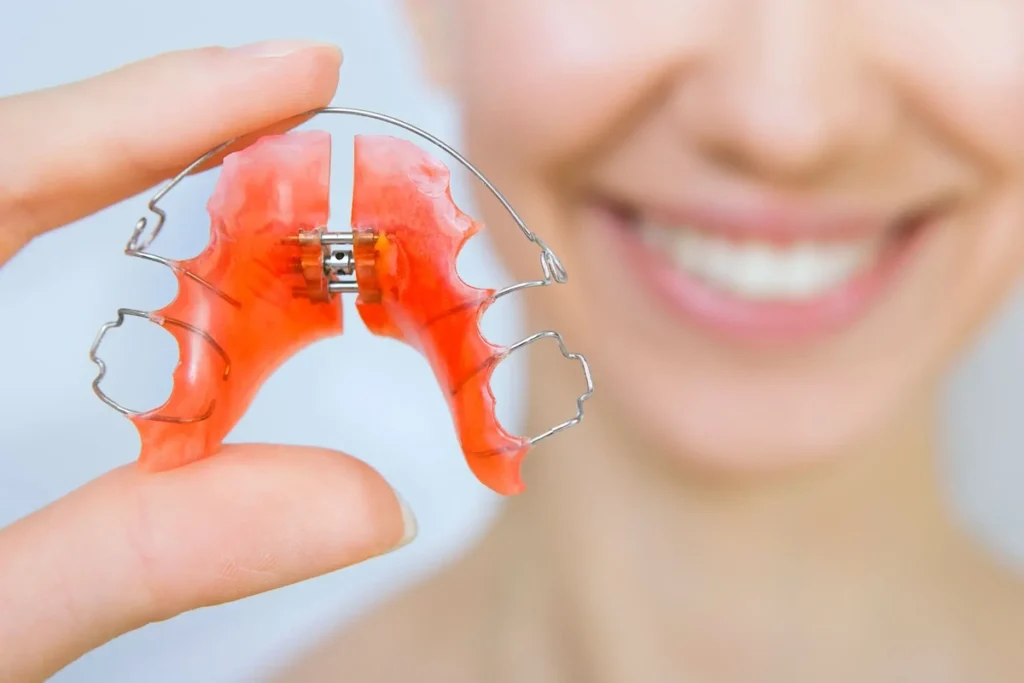
Functional orthodontic treatment is a preventive and interceptive approach designed to train the muscles and guide jaw growth. Unlike traditional orthodontics, which focuses on moving teeth with braces or aligners, functional appliances work by stimulating proper muscle function and jaw positioning.
These systems are usually removable, silicone-based appliances tailored to each patient’s developmental needs. Their goal is to address the root causes of misalignment rather than just the symptoms.
When Is Functional Orthodontics Recommended?
Functional treatment is ideal when certain oral habits or skeletal growth patterns are disrupting proper jaw or dental development. Common indications include:
- Chronic mouth breathing
- Abnormal swallowing patterns
- Improper tongue posture
- Underdeveloped upper or lower jaw
- Narrow jaw arches
- Weak or imbalanced orofacial muscles
- Early signs of dental crowding or misalignment
- As a preventive measure to reduce orthodontic relapse
Early identification and intervention can redirect growth naturally, minimizing or even eliminating the need for fixed braces or surgery in the future.
Functional Orthodontic Appliances and Their Features
Functional appliances are typically made from flexible silicone or medical-grade polymers and come in various sizes suitable for children of different ages. Key characteristics include:
- Promotes upper and lower jaw development
- Trains the tongue to rest in its proper position
- Encourages nasal breathing over mouth breathing
- Supports correct swallowing mechanics
- Improves coordination between lips, cheeks, and chewing muscles
- Guides teeth to erupt into their natural positions
Some models are designed to be worn only at night, while others may be used for several hours during the day, depending on the treatment plan.
The Functional Treatment Process
Treatment typically unfolds in three progressive phases:
1. Habit Correction
Initial focus is placed on eliminating dysfunctional habits such as open-mouth posture, tongue thrusting, and reverse swallowing.
2. Jaw Development Support
Appliances help to stimulate natural skeletal growth, allowing for balanced jaw development as the child matures.
3. Tooth Positioning
With proper muscle activity and jaw structure, the teeth align themselves naturally, often reducing the need for future braces.
The duration of treatment ranges from 12 to 24 months, depending on the child’s age, cooperation, and severity of the issues.
Long-Term Benefits of Functional Orthodontics
Functional orthodontic treatment offers several advantages beyond tooth alignment:
- Reduces the need for fixed braces or surgery later
- Prevents skeletal and bite issues early in development
- Enhances nasal breathing and general airway health
- Lowers the risk of dental crowding or malocclusion
- Reduces relapse rates compared to conventional orthodontics
- Improves speech, chewing, and swallowing function
- Supports better overall facial balance and aesthetics
These benefits make functional treatment an investment in lifelong oral and general health, particularly when started at an early age.
Who Is a Candidate for Functional Orthodontic Treatment?
Ideal candidates include:
- Children aged 3 to 15 who are still in the growth phase
- Those showing early signs of jaw irregularities or muscle dysfunction
- Children who appear to have straight teeth but show breathing or swallowing issues
- Patients with a history of mouth breathing, tongue thrusting, or incorrect muscle use
A thorough evaluation of breathing patterns, muscle activity, and jaw development is essential to determine the suitability of treatment.
Functional Orthodontics in Antalya
In Antalya, functional orthodontic treatment is carried out with a comprehensive evaluation of the child’s growth and functional habits. Dr. Muhammet Birlik develops personalized treatment plans that focus on early intervention and long-term stability by analyzing tongue posture, respiratory behavior, and jaw muscle coordination.
By correcting the root causes of orthodontic issues early, these treatments lay the foundation for natural, healthy development—reducing the need for more invasive orthodontic work later on.
This article is intended for informational purposes only. Always consult a licensed orthodontist for accurate diagnosis and individualized treatment planning.